English
 Spanish
 Italian

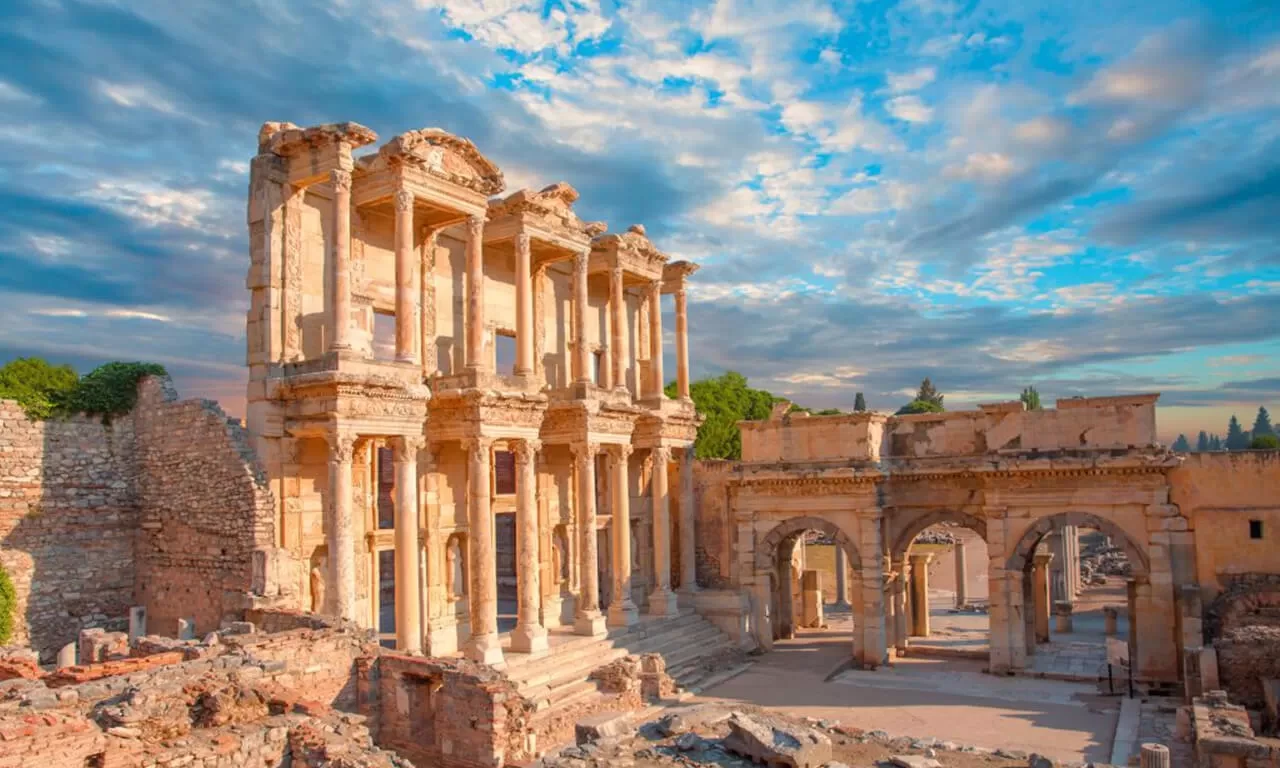
Echoes of Ephesus
Ephesus Turkey: Ephesus Travel Guide
Ephesus, Turkey is the most amazing archaeological site on Earth. It was once a flourishing city of the ancient world and now it is a beautiful open-air museum. Walking through the ruins of Ephesus makes the visitor travel to the past where he can find beauty, history, and culture of this UNESCO World Heritage Site.
If you are planning a trip, check out an Ephesus travel guide to learn about the best things to do in Ephesus and how to make the most of your visit. Ephesus is a short drive from Selçuk, in western Turkey and is well known for its monumental marvels such as the Library of Celsus and the Temple of Artemis. Ephesus, Turkey, whether you are a history fanatic or just want to have a unique experience, is definitely a place worth visiting in Turkey
Things to Do in Ephesus Turkey
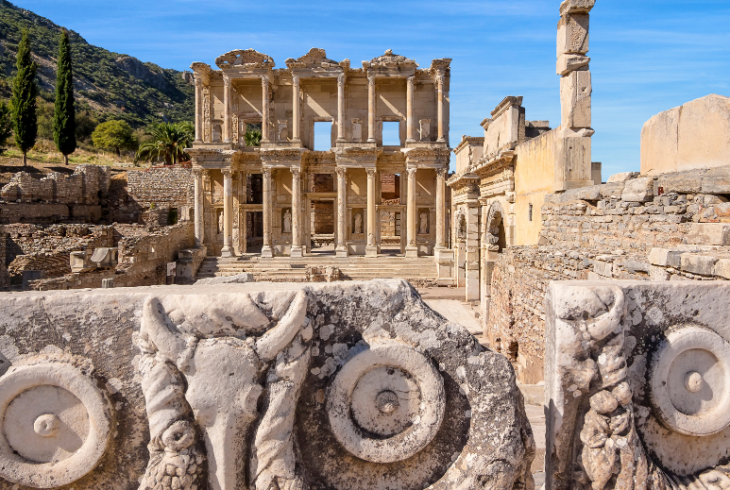
A variety of activities are available for visitors of all varieties of interest in Ephesus. If you’re wondering what to see in Ephesus, the most photographed structure in Turkey, the Library of Celsus, is the first in the list of attractions. It used to contain thousands of scrolls and was a symbol of the city’s intellectual power.
The Great Theatre of Ephesus, which could hold 25,000 spectators, is a must see. It formed the venue for the Roman era to come together for plays, concerts, and speeches. The Temple of Artemis, which is one of the Seven Wonders of the Ancient World, is also a major attraction. Even though today there are just a few columns left, they are still a reminder of the rich religious past of Ephesus and an important part of Ephesus history and ruins.
Curetes Street is another option for you, where the ancient road is lined with marble columns, mosaics, and ancient statues. The Terrace Houses will take you on a journey to the Ephesus of the past, where the rich lived and were surrounded by beautiful frescoes, most of which have been very well preserved truly among the most fascinating things to do in Ephesus.
What to See in Ephesus: Ephesus travel guide
In case you are ruminating on what to see in Ephesus, then the Upper Gate will be your first stop, the place where your journey through the ages starts. The Ephesus archeological area is vast, so at least half a day would be good for you to explore it without any hurry.
The main sights to see are:
-
The Odeon: a small theater where political meetings were held.
-
The Temple of Hadrian: with its intricate Roman sculptures.
-
The Agora: the ancient market place where the activity of trade and the culture of the people were at their peak.
-
The Fountain of Trajan: a beautiful structure built in memory of Emperor Trajan.
Visiting the Ephesus Archaeological Museum at Selçuk, which is just around the corner, is also suggested to get a view of the original statues and various items that had been dug out from the ruins; a delightful way to deepen the knowledge of Ephesus history and ruins. Moreover, you can take a short visit to the House of the Virgin Mary, which is a quiet and spiritual spot believed to be the last home of Mary.
This Ephesus travel guide would be inadequate without mentioning the Basilica of St. John and Isa Bey Mosque, both being historical treasures that are worth visiting, as attractions located nearby and adding even more reasons to experience Ephesus, Turkey.
Ephesus History and Ruins: Step Into the Past
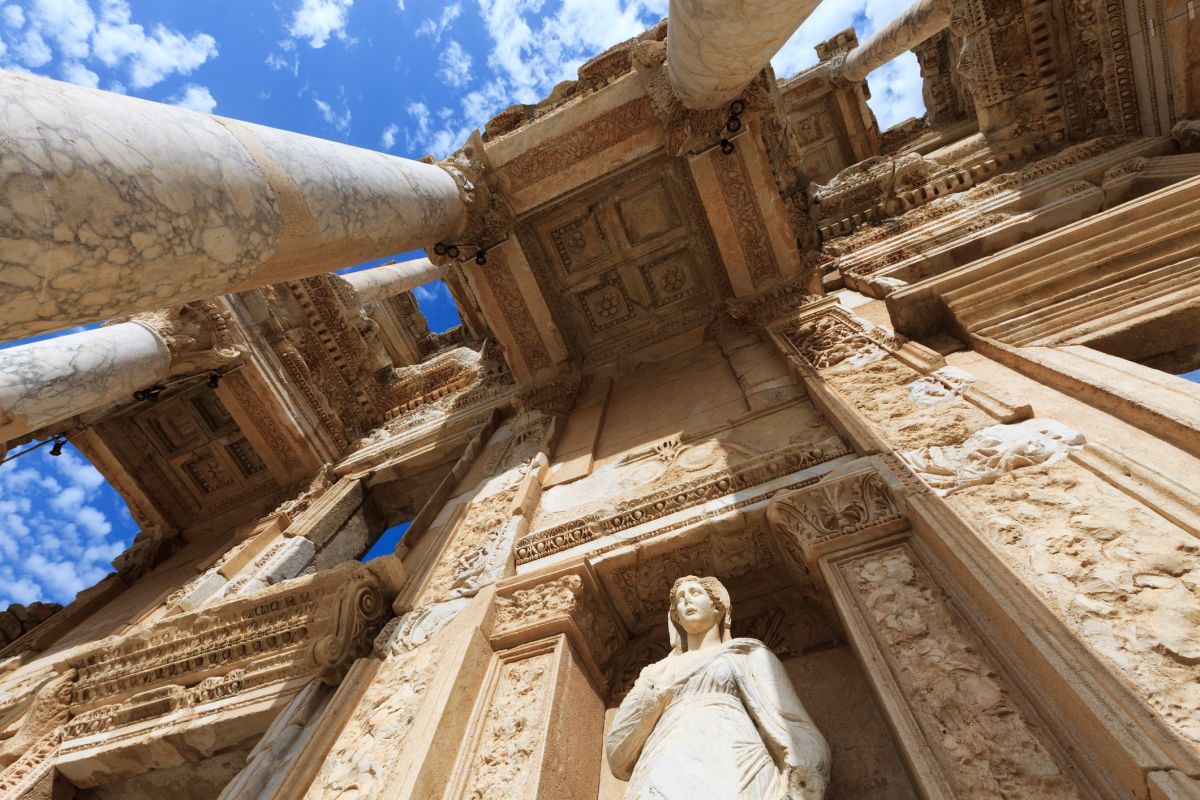
Ephesus is an ancient city with a history of more than 3,000 years. It was a Greek settlement, and later it became a Roman city, which contributed to its being one of the key urban areas of the ancient world. The layers of time and civilization have left their marks on Ephesus, and the ruins can be seen as the testimony of trade, culture, and religion which were the main features of the early civilization.
The city of Ephesus was the one that attracted great minds like philosophers, architects, and artists who have given the world monumental remains, to showcase that, and more, you have to be there to see the remains of the city of Ephesus where these things were part of the daily life of people.
Ephesus Turkey is the place where human creativity and faith have been preserved through time. It is not just a place to visit; it is an experience that takes you deep into the heart of ancient history.





.webp "AIR CAIRO")



.webp "Meliá Madrid")