English
 Spanish
 Italian

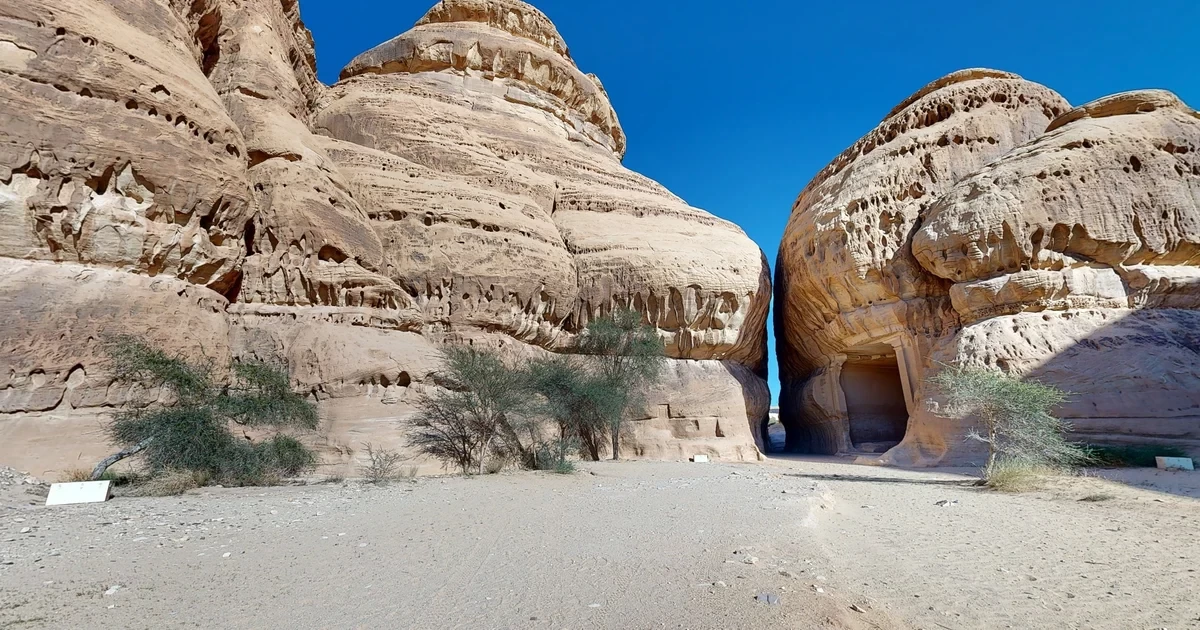
Discover Jabal Ithlib In Al Ula - Top Archeological Site
Jabal Ithlib is perfectly positioned among the historical and archaeological sites of AlUla, especially that of Hegra (Al-Hijr)—which is Saudi Arabia’s first UNESCO World Heritage site. This large sandstone mountain is not merely a geological beauty but also a source of considerable information regarding the human past, religion, and culture that includes the ancient Nabataeans, Lihyanites, and other civilizations.
A Glimpse Into the Past
Jabal Ithlib is located in the eastern part of the Hegra archaeological site, a region that flourished as an important center on ancient trade routes long before the rise of Islam. Today, Hegra — also known as Madâin Sâlih — preserves a remarkable wealth of Nabataean and pre‑Nabataean heritage.
While Hegra is famed for its rock‑cut tombs, Jabal Ithlib serves a different purpose: this site was likely a religious, communal, and ceremonial center where inhabitants gathered for rituals, political meetings, and social life. Archaeological evidence shows that people used the mountain’s natural corridors and carvings as part of their spiritual and communal activities.
Sacred Pathway - The Siq and Ancient Rituals
Visitors entering the site’s core must first traverse a narrow natural channel known as the Siq Canal. Although smaller, it is similar to the Siq of Petra in Jordan; this passage not only facilitates but also correlates the dramatic arrival at Jabal Ithlib and the entrance into a holy site.
The following is the place to find:
- Rock inscriptions in Nabataean and some other ancient scripts
- Niches and altars where sacred artifacts or stones were placed
- Remains of betyls — sacred carved stones indicating deities worshipped by Nabataeans
The ancient inscriptions and carvings tell a lot about the religious beliefs, artistic expression, and social practices of the civilizations that lived in this area about 2,000 years ago.
What Makes Jabal Ithlib Significant
1. A Holy and Cultural Hub
Jabal Ithlib was more than a mountain; it was the center of worship, the corresponding community, and the performance of rituals—a social life intersection for the people of Hegra.
2. A Text of Ancient Inscriptions that Still Lives
Rocks inscriptions in varied languages and scripts assist the researchers in reconstructing pre-Islamic history and understanding the cultural dynamics in this region.
3. Proof of Nabataean Mastery
The skilfully carved Diwan, niches, and the water infrastructure demonstrate one of the most influential ancient civilizations in Arabia's artistic, architectural, and engineering sophistication.
Visitor Experience
Location
Jabal Ithlib is part of Hegra Archaeological Site (Madâin Sâlih) in AlUla, northwest Saudi Arabia — about 25 km east of the modern town of AlUla.
Best Time to Visit
- Fall to spring is ideal with cooler temperatures.
- Visit early morning or late afternoon for soft light in the Siq and Diwan.
What to Expect When You Arrive
- A short walk from the visitor center at Hegra to the Jabal Ithlib site.
- Uneven rock terrain — wear sturdy shoes.
- Interpretive signage and options for guided tours.
Hegra is typically accessed via registered tours rather than independent self‑drive, and guided visits help you understand the historical context of each landmark.
Visitor Advice
- Water, hats, and sunscreen are a must because the sun in the desert can be quite strong.
- To get the most out of the Jabal Ithlib experience, combine it with other Hegra attractions such as Qasr al‑Farid and Jabal al‑Banat for a complete day of archaeology.
- It would be good to learn a little bit about the Nabataeans' history before you go, as it will increase your appreciation of the signs and the buildings.
An Adventure Across Time
Jabal Ithlib exploration is comparable to an ancient Arabian adventure, where the practices of religion, social life, engineering, and art came to be through the magnificent sandstone canyons. Be it that you are a history, archaeology, or nature lover, this place gives you a cultural experience of a lifetime that not only brings you to the civilizations of the past but also their presence in today's world through the inscriptions and rock chambers that are still open to viewing.
-webp.webp "jeddah")




.webp "AIR CAIRO")



.webp "Meliá Madrid")