English
 Spanish
 Italian

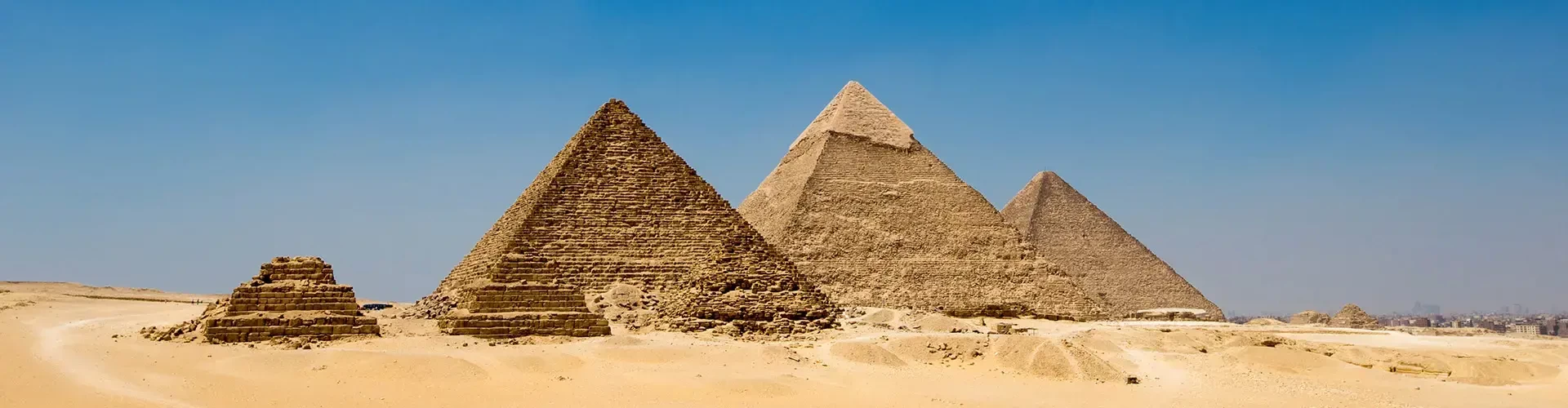
The Pyramids of Giza
The Pyramids of Giza are, well , among the most famous landmarks in the whole world, and also one of the greatest achievements of ancient Egyptian civilization. They’re on the Giza Plateau near Cairo, and these magnificent structures have basically stood there for more than 4,500 years, drawing in millions of visitors who show up to see their incredible size , their mystery, and the historical importance that still feels unreal. They were built as royal resting places for powerful pharaohs, so the pyramids reflect advanced engineering, religious ideas , and even artistic creativity of ancient Egypt.
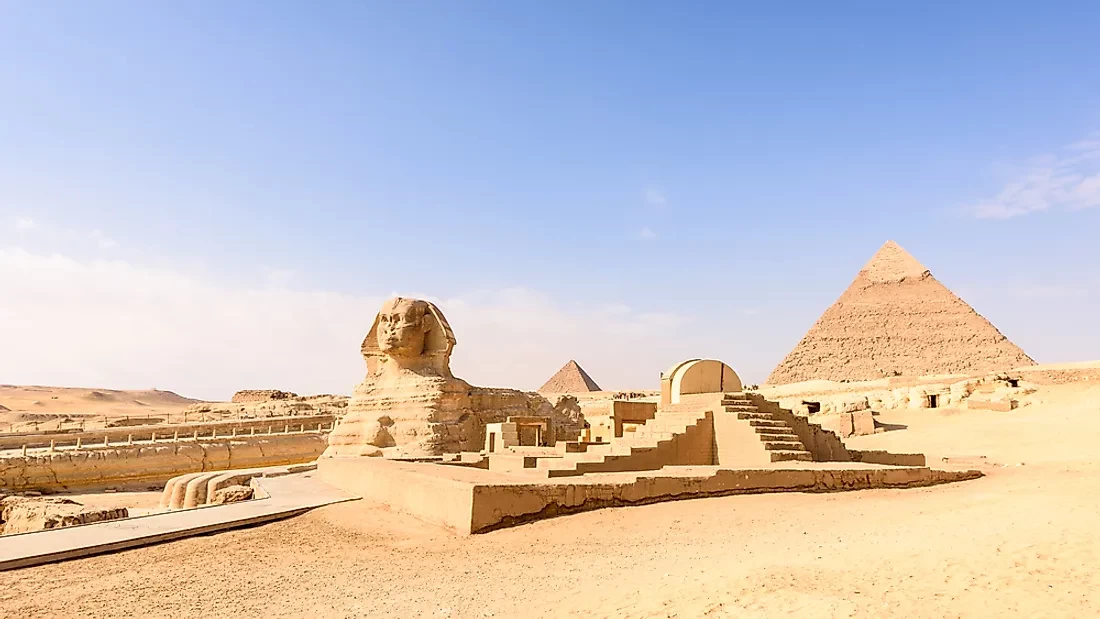
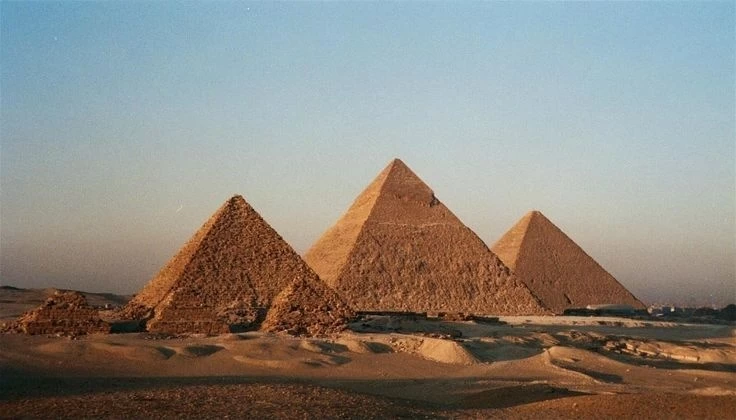
In the Giza Pyramid complex you have three main pyramids, the Great Pyramid of Khufu, the Pyramid of Khafre, and the Pyramid of Menkaure. Plus, there’s the Great Sphinx, temples, and lots of nearby tombs, so the whole archaeological site gives a really interesting look into the life ,and worldview of the pharaohs and the ancient Egyptians’ conviction about eternal life.
Right now, the Pyramids of Giza are still one of Egypt’s most popular attractions, and a big highlight on many Egypt tours. People come from everywhere , to experience these old miracles, dig into their fascinating background, and admire the careful craftsmanship that helped them remain standing through thousands and thousands of years.
The History and construction of the Giza Pyramids
So the whole story kicks off in Egypt’s Fourth Dynasty, say around 2600 BCE, when strong pharaohs decided to raise these huge monuments as a kind of last stop for the dead. And yeah, building them wasn’t just dig and stack, it needed careful forethought, strong organization, and a lot of know-how about mathematics, astronomy and engineering.
Now, the Great Pyramid of Giza was made for Pharaoh Khufu, and it is the biggest out of the three. It was originally about 146 meters tall, and for ages it stayed the tallest human-made structure on Earth. Tons of limestone blocks were shaped, moved across the landscape, and set into place with such precision that it really shows how skilled the builders were.
Next comes the Pyramid of Khafre, built for Pharaoh Khafre, who was Khufu’s son. Even though it is a bit smaller than the Great Pyramid, it often looks taller because it sits on higher ground. Also, part of its original limestone outer casing is still there near the top, so visually it feels more imposing. Nearby, the Great Sphinx is traditionally tied to Khafre, and it basically remains one of Egypt’s most instantly recognizable landmarks.
Then, the smallest one at least among the three main pyramids is the Pyramid of Menkaure. This one was built for Pharaoh Menkaure. Even if it’s more modest in size, it keeps that same architectural excellence and continues the long-standing habit of creating giant royal burial places meant to honor Egypt’s rulers, in a way that lasted.
The Great Pyramid of Khufu: The Largest Pyramid in Egypt
The Great Pyramid of Giza is kinda the most well-known pyramid anywhere, and it’s also the only one left from the ancient Seven Wonders. It was built for Pharaoh Khufu around 2560 BCE , and since then this huge monument has kept on catching the attention of historians , architects, and travelers who just can’t get enough of it. The size is breathtaking and, honestly, the building work seems very carefully planned.
At first the pyramid had smooth white limestone on the outside, like a kind of bright skin that reflected the Egyptian sun. Later, much of that outer casing got removed, but even now the remaining parts still show how skilled those craftsmen were. Inside, there are internal chambers, such as the King’s Chamber and the Grand Gallery, and they make it pretty obvious the whole layout wasn’t random at all.
For centuries, people have been trying to understand how the ancient Egyptians moved and placed those massive stone blocks. There are lots of ideas, some more convincing than others, yet the real process is still debated and, well, keeps pulling researchers in. Also the way the pyramid lines up with the cardinal directions is extremely precise, and it suggests a strong grasp of astronomy rather than guesswork.
So when you actually visit, you’re not just looking at stones. You can feel you’re standing in front of one of humanity’s top architectural achievements. Being there before this ancient masterpiece gives a real, almost direct, link to the civilization that built it, over four thousand years ago.
Exploring the Giza Pyramid Complex, Attractions and Experiences
The Pyramids of Giza give visitors not just three ancient monuments. It’s more like the whole Giza Plateau is stuffed with historical treasures and those moments you don’t really forget. When you roam the place, you start noticing different sides of ancient Egyptian life, from royal tombs to old temples and even the kind of archaeological discoveries that feel almost unreal.
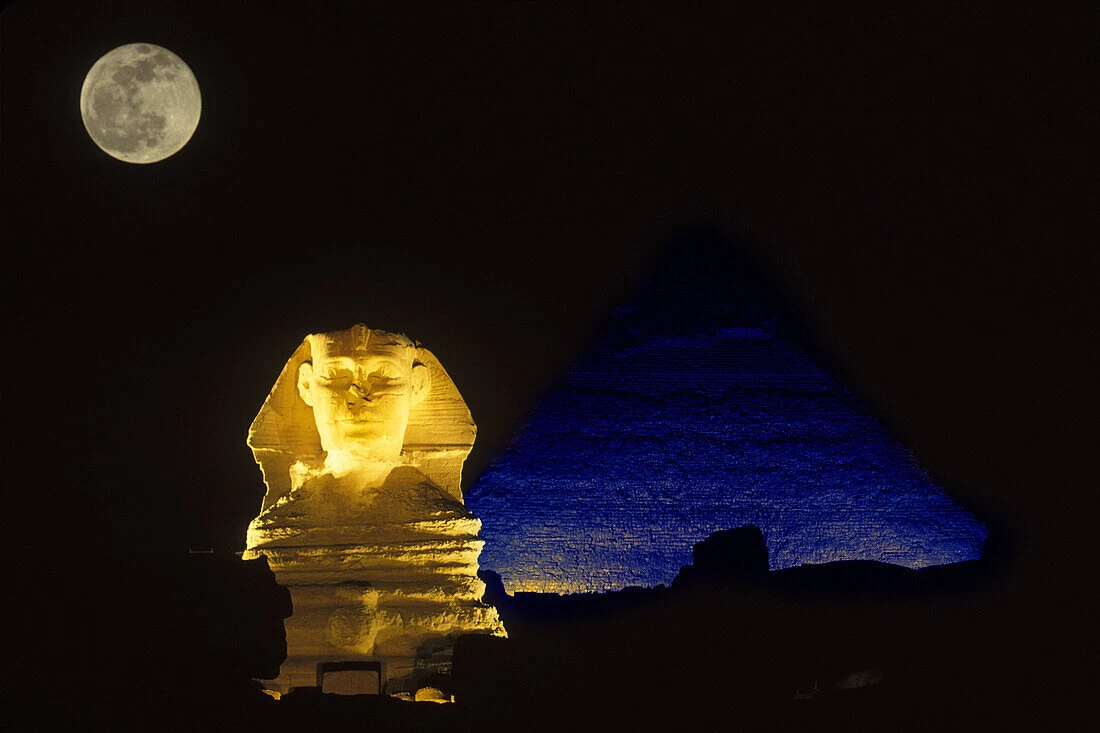
A big draw for almost everyone is the Great Sphinx, that huge limestone figure with the body of a lion and the head of a human. For centuries, the Sphinx has held people’s attention and it still works as a strong sign of strength , wisdom, and that lingering mystery. Lots of travelers like doing photos near it, and also hearing how it ties into ancient Egyptian kingship, even if they only catch part of the story.
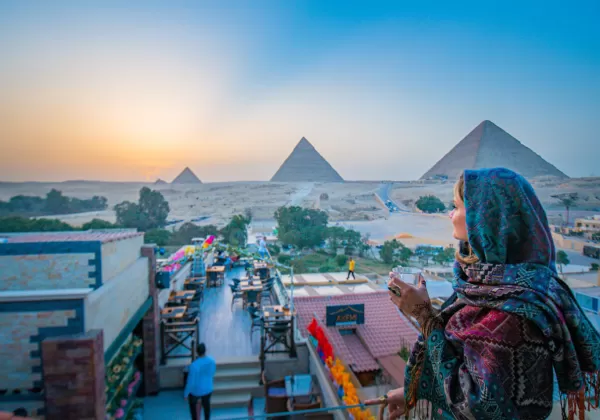
Then there are the nearby viewpoints, where you can get these wide panoramic scenes showing all three pyramids together. People often go for camel rides , some choose a horseback tour, and others simply join guided excursions that move slowly across the sandy surroundings of the monuments. It’s kind of calm, but still energetic somehow.
If you’re the nighttime type, the Sound and Light Show at Giza Pyramids can be surprisingly good. The pyramids light up against the dark sky , while you listen to narratives about ancient Egyptian history and the pharaohs. It’s like you’re watching the past in a guided, vivid way, not only reading it.
Many Egypt tours fold the Giza Pyramids in with other close attractions too, like the Egyptian Museum, Saqqara, Memphis, and Dahshur, so the trip feels more whole. In other words, it becomes a complete path through Egypt’s ancient heritage, not just a quick stop and go.
Why the Pyramids of Giza Are a Must-Visit Destination, honestly
The Pyramids of Giza are not just old monuments, they feel like symbols of creativity, ambition, and that drive to reach something bigger. They’ve managed to stand through thousands of years of history, so they’re, kind of, a priceless cultural treasure on Earth. Each block of stone feels like it carries a message, about pharaohs, the workers, the architects, and the beliefs that formed ancient Egyptian life and everything around it.
Going to the Pyramids of Giza is the kind of experience you remember for a long time. Travelers of all ages can find something that pulls them in, even if it’s history, architecture, photography, or those ancient “mystery” topics people talk about late at night. The pyramids’ huge scale and quiet, timeless beauty still inspire millions from across the world. They’re not only impressive, they’re also strangely personal, like you can sense how people once thought about the future.
For a smoother trip, the best time to visit the Giza Plateau is usually during the cooler months, October through April. That’s when walking around the open-air spaces is much more comfortable. It also helps to wear shoes that won’t slow you down, bring enough water, and if possible, hire a knowledgeable guide it makes a difference because you’ll catch the meaning behind so many details that you might miss alone.
As one of the most iconic spots on the planet, the Pyramids of Giza still act like the heart of Egypt’s tourism. And for many travelers worldwide, they’re basically a dream stop. When you explore these legendary structures, you get a rare chance to step back into that old world, and to feel, in a real way, the legacy left by one of history’s greatest civilizations.
-webp.webp "Giza pyramids")
-webp.webp "The Giza Pyramids")




.webp "AIR CAIRO")



.webp "Meliá Madrid")