English
 Spanish
 Italian

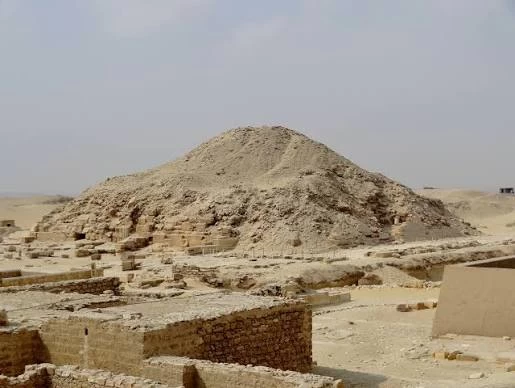
The pyramid of Unas
The Pyramid of Unas is one of Ancient Egypt’s most fascinating, but also kind of overlooked archaeological treasures. It sits in the well known Saqqara necropolis, just south of Cairo, and it belonged to Pharaoh Unas, who was the final ruler of Egypt’s Fifth Dynasty. Sure, it’s smaller than a lot of the more famous pyramids you see around Giza, yet the Pyramid of Unas still carries an extraordinary amount of historical weight. People usually remember it because it’s the first pyramid that turned up with long religious inscriptions carved into the inside walls, inscriptions that are now known as the Pyramid Texts.
While the taller pyramids dominate the horizon, the Pyramid of Unas tends to catch your attention in a different way. Not so much by sheer size, more by its deep spiritual and cultural legacy. Archaeologists, historians and even travelers still go back to it , because it gives useful clues about how ancient Egyptians thought about death, renewal , and that long road into the afterlife. Even today, it remains one of the most rewarding stops in Saqqara, and many Egypt tours include the Pyramid of Unas for visitors who want more than a quick visit and hope to gain a deeper understanding of Egypt's ancient civilization.
The History of the Pyramid of Unas and Pharaoh Unas
The story about the Pyramid of Unas and Pharaoh Unas is kinda fascinating, even if the timeline sounds a little dry at first. Unas ruled Egypt roughly 2375–2345 BCE, during the final stretch of the Fifth Dynasty. His reign was not very long, especially compared with some other famous kings, but his burial monument ended up being one of the most impactful structures in Egyptian history. The Pyramid of Unas was built at Saqqara , which was basically a royal burial ground where Egypt’s rulers had been laid to rest for centuries.
At the beginning, the pyramid was about 43 meters tall, around 141 feet, and it looked far different than today. It was clad in smooth white limestone casing stones, so the whole thing bounced the sun back across the desert like a bright sign you could see from miles away. But after thousands of years, earthquakes happened, the wind and sand chipped at it, and later building projects removed many blocks. So now it mostly shows up as a low mound. Even with that worn outside, the inside spaces are still surprisingly intact, like the walls somehow stayed patient.
Inside the wider pyramid complex you can find a valley temple, and also a long causeway that was carved with detailed reliefs. There was even a mortuary temple where priests performed rituals for the deceased king. A lot of those reliefs show everyday life, foreign merchants and trade, famine conditions, offerings, and different kinds of religious ceremonies. Because of that, historians can piece together a clearer picture of Egypt in the Old Kingdom. And honestly, these stone artworks still keep feeding our understanding, lot by lot, of ancient Egyptian society.
The Pyramid Texts: The Greatest Treasure Inside the Pyramid of Unas
The real weight of the Pyramid of Unas is kind of hiding under that stone shell. Inside the burial rooms, there are the famous Pyramid Texts, which are the oldest known group of religious writings, actually carved straight into the walls of a king’s tomb. Those inscriptions didn’t just sit there quietly they ended up reshaping Egyptian funerary customs, and they shaped spiritual ideas for well over two thousand years, more or less.
You can think of the Pyramid Texts as hundreds of magical spells, hymns, petitions, and holy formulas meant to escort Pharaoh Unas safely through everything waiting in the afterlife. In the mind of ancient Egyptians, death was not the end in some final way, but more like the start of another passage, a different road. So the carved words offered divine shielding, assisted the king when facing supernatural trouble, and made sure he could reach a proper union with the gods, especially the sun god Ra and also the sky deity Horus, which sounds a bit poetic but it is what the texts emphasize.
Every single wall inside the burial chamber is filled with hieroglyphs that were carefully carved and then painted in bright green. That color stood for renewal, and for life that keeps going without stopping. And unlike earlier pyramids, where the insides were mostly bare, the Pyramid of Unas basically introduced a newer mindset by turning the burial chamber into something like a sacred religious book, right in the stone. Later rulers copied this style, and over time it nudged history toward the Coffin Texts, and then toward the well known Book of the Dead that shows up throughout ancient Egyptian history.
Visiting the Pyramid of Unas Today: what travelers can expect
So, if you come to Saqqara, the Pyramid of Unas is one of those must-see spots and is often considered among the best pyramids to visit in Saqqara. It draws people who are curious about Egypt, but not only the famous pyramids of Giza. On the outside it looks pretty modest, like nothing too dramatic, yet as soon as you go in the whole thing changes, because the interior is genuinely one of the most astonishing parts of the ancient world.
You typically go down a narrow corridor, then the burial chamber is ahead , and that’s where the Pyramid Texts cover nearly all the surfaces they can reach. Inside it feels quiet, almost like the sound itself is smaller. Travelers often say this is where you really notice the craft work of ancient Egyptian artisans, they carved thousands of hieroglyphic symbols over 4,300 years ago. It’s kind of hard to take in at first.
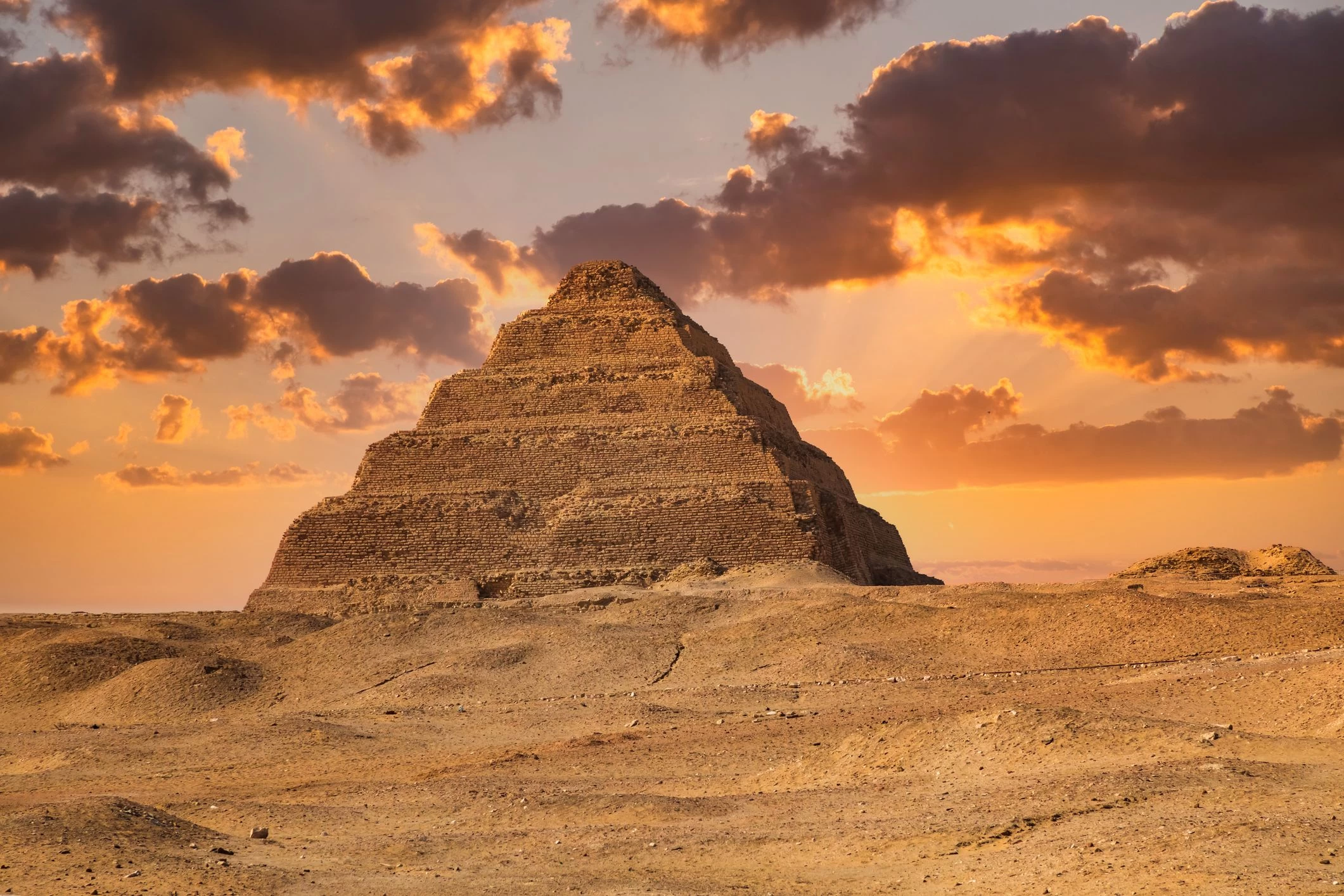
Also, the pyramid sits close to a bunch of other major monuments. For example the Step Pyramid of Djoser is nearby, along with many royal tombs , and even mastabas that are decorated in a very beautiful style belonging to high ranking officials. A lot of guided tours mix these together, so it turns into a more complete exploration of Old Kingdom history.
If you want the easiest walking and less heat, the cooler months, from October to April, are usually the best time. It helps to wear comfortable shoes, bring water, and consider hiring an Egyptologist guide who can explain the religious meaning, plus the historical value of what you’re seeing. And yeah, photography rules can change depending on the current situation, so it’s wise to check the newest visitor guidelines before you arrive.
Why the Pyramid of Unas keeps feeling like a must-see historical stop
The Pyramid of Unas is more than just the last resting place of an ancient Egyptian ruler. It kind of signals a shift in how people thought about religious writings, funerary architecture, and royal burial customs. The Pyramid Texts inside preserve the earliest surviving religious writings in human history, so the monument becomes priceless not only for Egyptology , but also for researchers who study ancient peoples everywhere.
And honestly, it does not rely on big impressiveness the way some larger pyramids do. Instead, the Pyramid of Unas gives visitors a more close, spiritual kind of contact with Ancient Egypt’s beliefs. Every carved hieroglyph, it seems, carries a meaning hope, immortality, and that familiar human drive to figure out what is beyond death. Even today, those inscriptions still manage to move scholars, historians, and travelers coming from all corners of the planet.
So whether you’re arranging an Egyptian escape, studying old timelines, or you’re just curious about archaeology, the Pyramid of Unas should really land on your schedule. Its mix of history, religion, architecture, and quiet mystery makes it one of the most rewarding places in Egypt to explore. And as ongoing research brings up fresh details and new finds, the Pyramid of Unas keeps standing there as a long-lasting emblem of one of the world’s greatest civilizations, plus a reminder of humanity’s persistent search for eternal life, in a way that feels almost personal.
-webp.webp "The Giza Pyramids")




.webp "AIR CAIRO")



.webp "Meliá Madrid")