English
 Spanish
 Italian

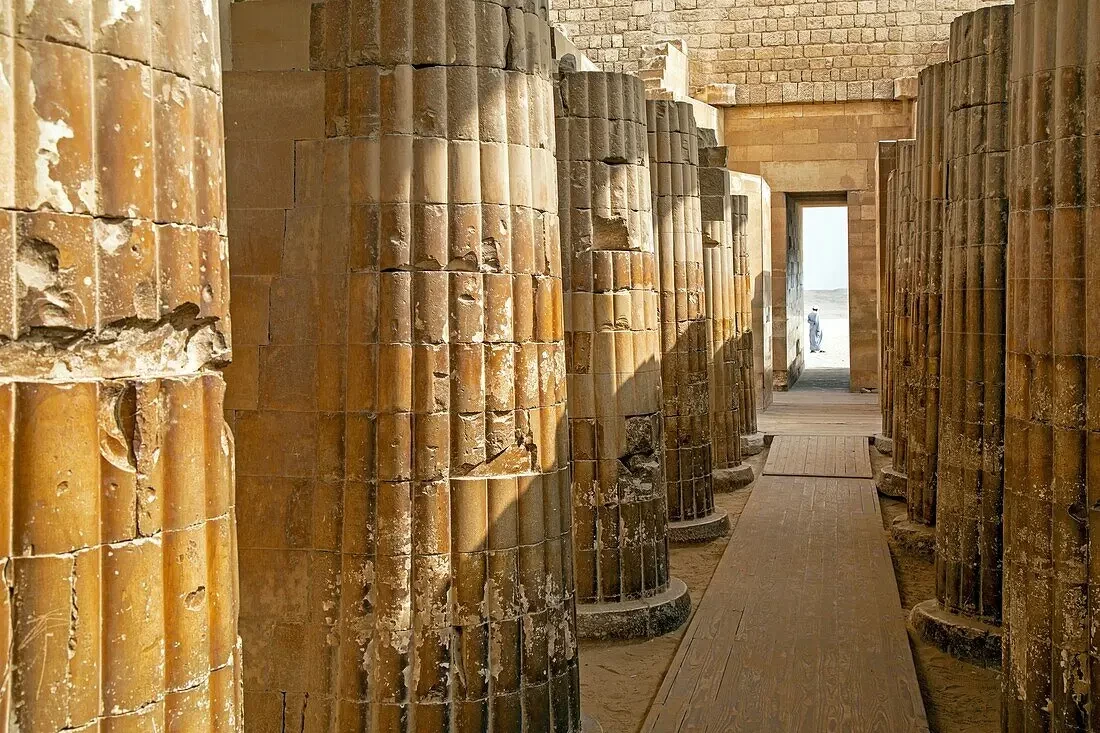
Memphis
The First Capital of the Pharaohs
Memphis, Egypt is one of those archaeological spots that feels really huge, like worldwide important, and honestly a place every history lover should go and see at least once. Recognized as part of the Memphis UNESCO World Heritage Site It’s found just south of modern Cairo near Saqqara and Memphis, and for a long time Memphis wasn’t only another city but the first big capital of a unified Egypt. For centuries it basically held everything together, politically religiously, and culturally, kind of the nerve center of one of the most impressive civilizations the world has ever had. Even though today it’s mostly ruins, you can still sense how the place once thrived, with grand temples, royal residences, workshops, and monuments that showed the strength and riches of the ancient Egyptian state.
The city is usually dated to about 3100 BCE, and it’s traditionally linked to King Menes, who is remembered for bringing Upper Egypt and Lower Egypt under one rule. Memphis then grew fast into the hub of administration and trade. Because it sat so close to the Nile, it had this practical advantage, controlling movement of goods between the north and the south, while also letting Egypt stay in contact with nearby cultures. Now Memphis works like an open air museum, and visitors can view striking statues, old artifacts, and other excavated pieces that help explain the city’s bright history. Going to Memphis is a journey you don’t really “forget”, it feels like walking through thousands of years of Egyptian life, step by step, even if the stones are still.
The History of Memphis and Its Role in Ancient Egypt
The history of Memphis and kind of its part in Ancient Egypt, goes back over five thousand years, so it is among the oldest spots that stays lived in pretty much without stopping. Once Egypt was unified, Memphis turned into an administrative core where pharaohs ran the kingdom , officials handled the state stuff, and craftsmen produced expensive, fine luxury items for the royal court. The place itself mattered a lot, since Memphis sat where Upper Egypt meets Lower Egypt, so it kind of boosted its status both as a political home and also as a busy trade node.
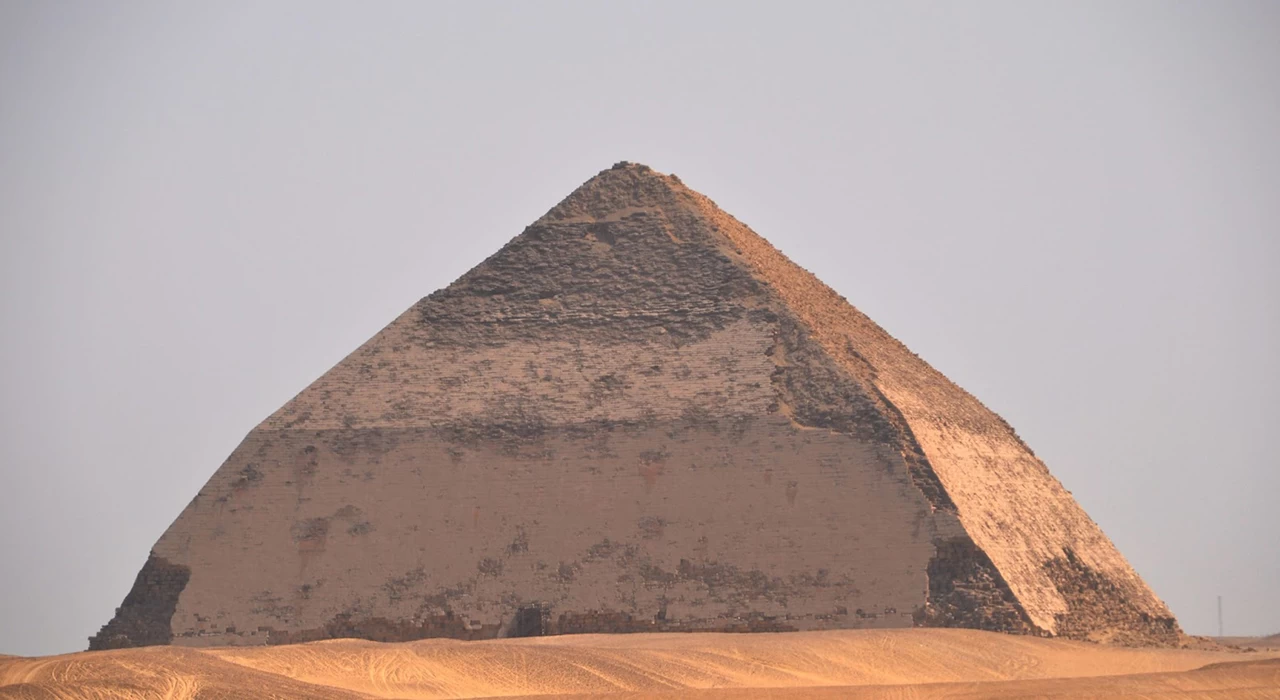
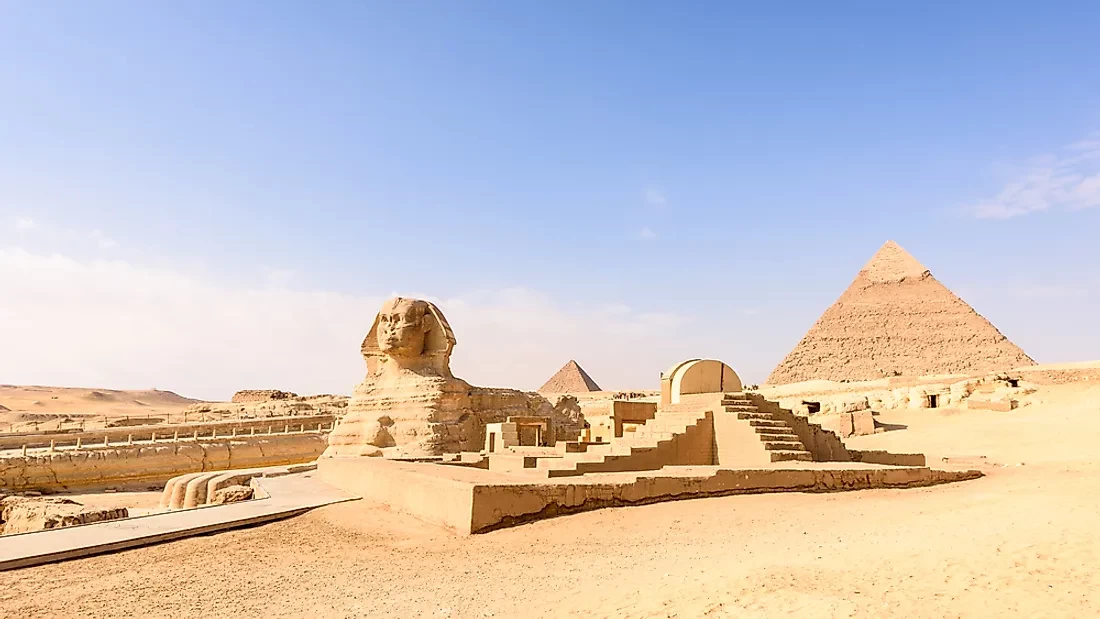
In the Old Kingdom, Memphis really hit its strongest moment. A lot of Egypt’s well known rulers governed from Memphis, while they watched over the raising of the pyramids near Saqqara, Dahshur, and Giza. Because the city was wealthy, merchants , artists, architects and priests showed up from far and wide. That brought together this lively scene, like a hotbed of experimentation and culture.
Even the spiritual side was huge in Memphis. The city was dedicated to Ptah, the god linked with craftsmen, builders and makers. His impressive temple pulled in pilgrims from all over the country, and it became one of the most important religious centers in Egypt.
Top Attractions to See in Memphis, Egypt
Even though time has shifted this once-great capital into more of an archaeological place, Memphis still feels full of remarkable sights. For instance there’s a colossal limestone figure of Ramses II, who is often counted among Egypt’s greatest pharaohs. The statue measures over ten meters long , and it’s so well preserved that you can really notice the finesse of ancient Egyptian artisans, kind of like watching history at close range, and it quietly hints at the grandeur the city used to carry.
Then there’s the Alabaster Sphinx, a special sculptural work carved from just one block of alabaster. It’s not as large as the Great Sphinx of Giza, yes, but it still draws you in, and it shows off the creative achievements of old craftsmen who handled stone with real patience.
You can also wander through what’s left of temples, the foundations of early buildings, carved stones and scattered statues, plus museum materials that are organized across the grounds. Sure, a lot of ancient Memphis now sits under modern villages and agricultural fields, but archaeological digs keep going and, well, they keep turning up additional finds that add more texture to what we already know.
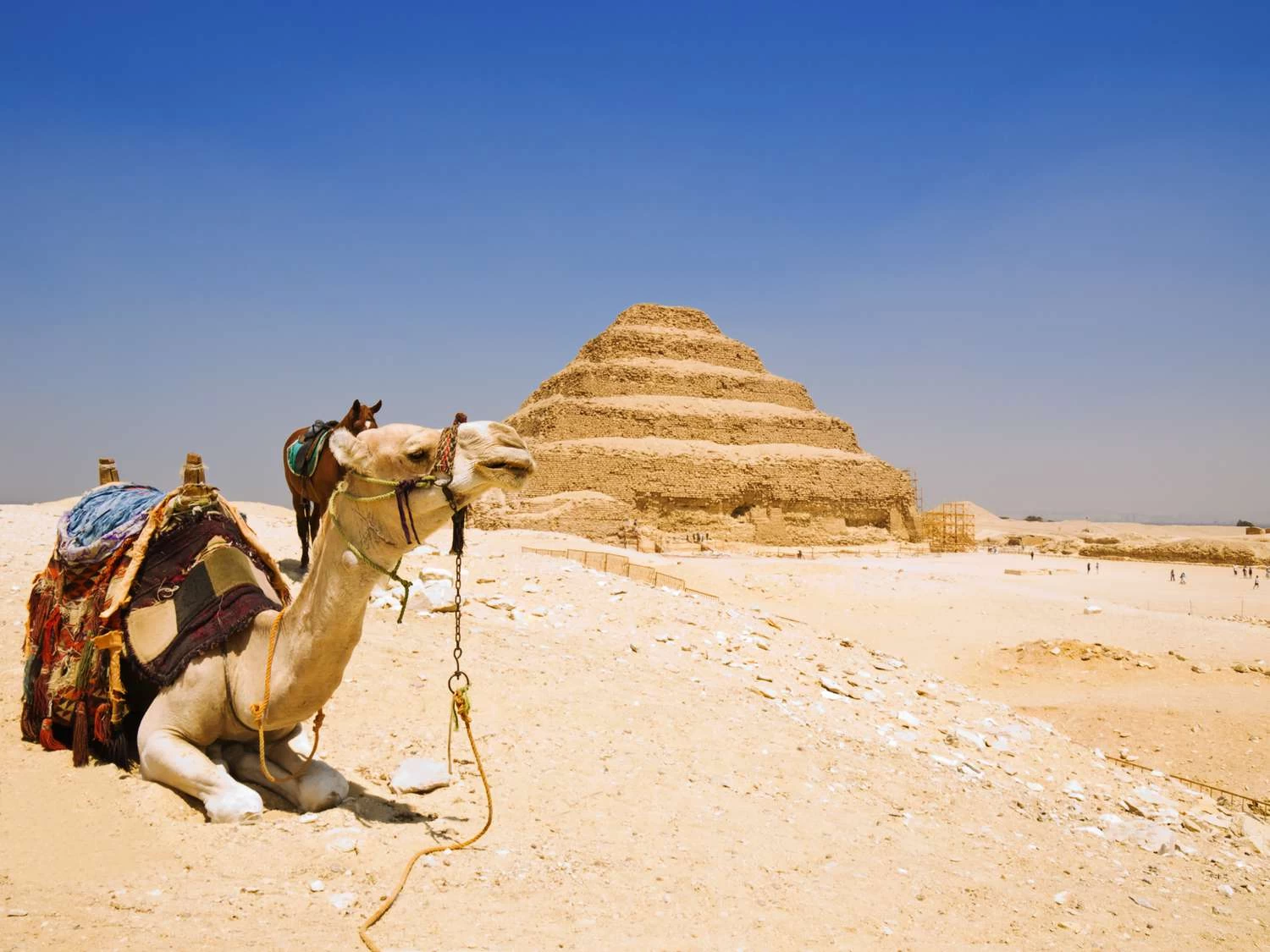
Many people pair Memphis with neighboring stops such as Saqqara and the Step Pyramid of Djoser, so the day turns into a long route through Egypt’s earliest royal chapter. Taken together, these locations tell a wider story about how Egyptian civilization, little by little, grew into one of the world’s biggest empires.
Why Memphis Counts as an Essential Stop on Egypt Tours
If you’re traveling in Egypt and you’re looking for more than the usual, famous pyramids then Memphis can feel like this really extra, quieter detour. It’s basically tied to the early story of ancient Egyptian civilization, so many Egypt tours place it right there on the itinerary. Also, it sits not too far from Saqqara and Dahshur, so you can connect everything without losing a whole day. When you walk around the archaeological site you can kind of “see” the old, bustling capital that once managed a huge kingdom, stretching along the Nile, like a long moving ribbon.
And honestly, compared to the most crowded tourist spots Memphis feels a little calmer. You’re not stuck in lines the whole time, you can take your time, look slowly, and linger wherever your curiosity points you. With a professional guide the place becomes more than stones, you start hearing about the rulers, the temples, and the religious traditions, and it turns into something educational. That, plus the atmosphere, is why people remember it later.
If you want the best conditions, aim for October through April. That’s when Egypt gets cooler, so spending hours outside doesn’t feel as exhausting. Bring comfortable shoes, sunscreen, and water because, yes, a lot of the site is explored on foot. Whether you’re into archaeology, photography, or history as a whole, Memphis gives you a grounded, genuine look at the foundations of one of the world’s oldest civilizations.
-webp.webp "Saqqara Pyramid")




.webp "AIR CAIRO")



.webp "Meliá Madrid")