English
 Spanish
 Italian

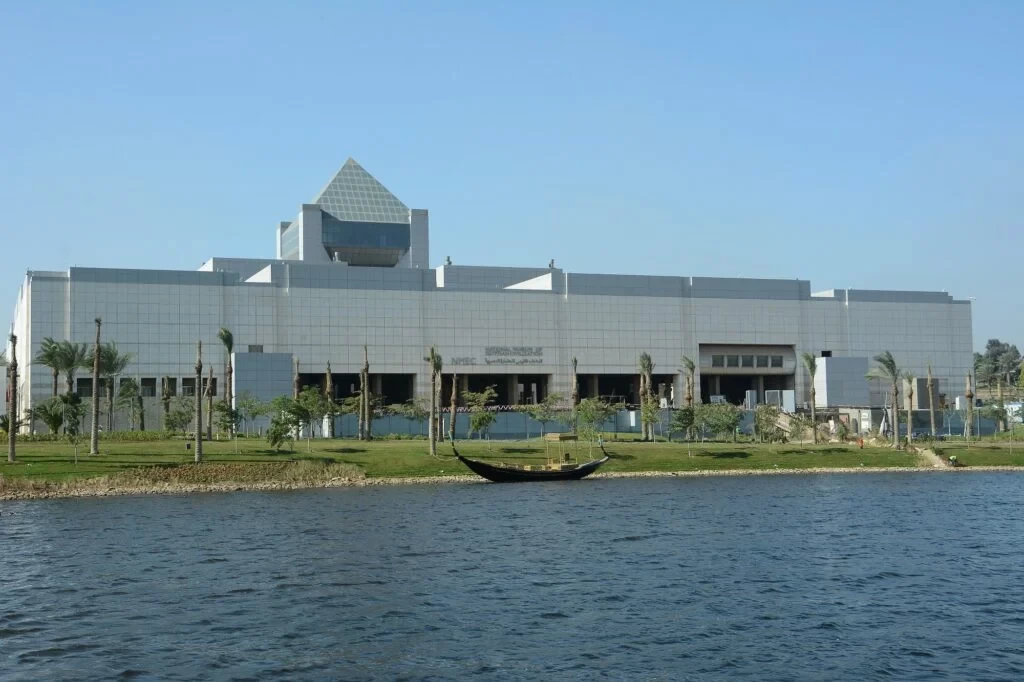
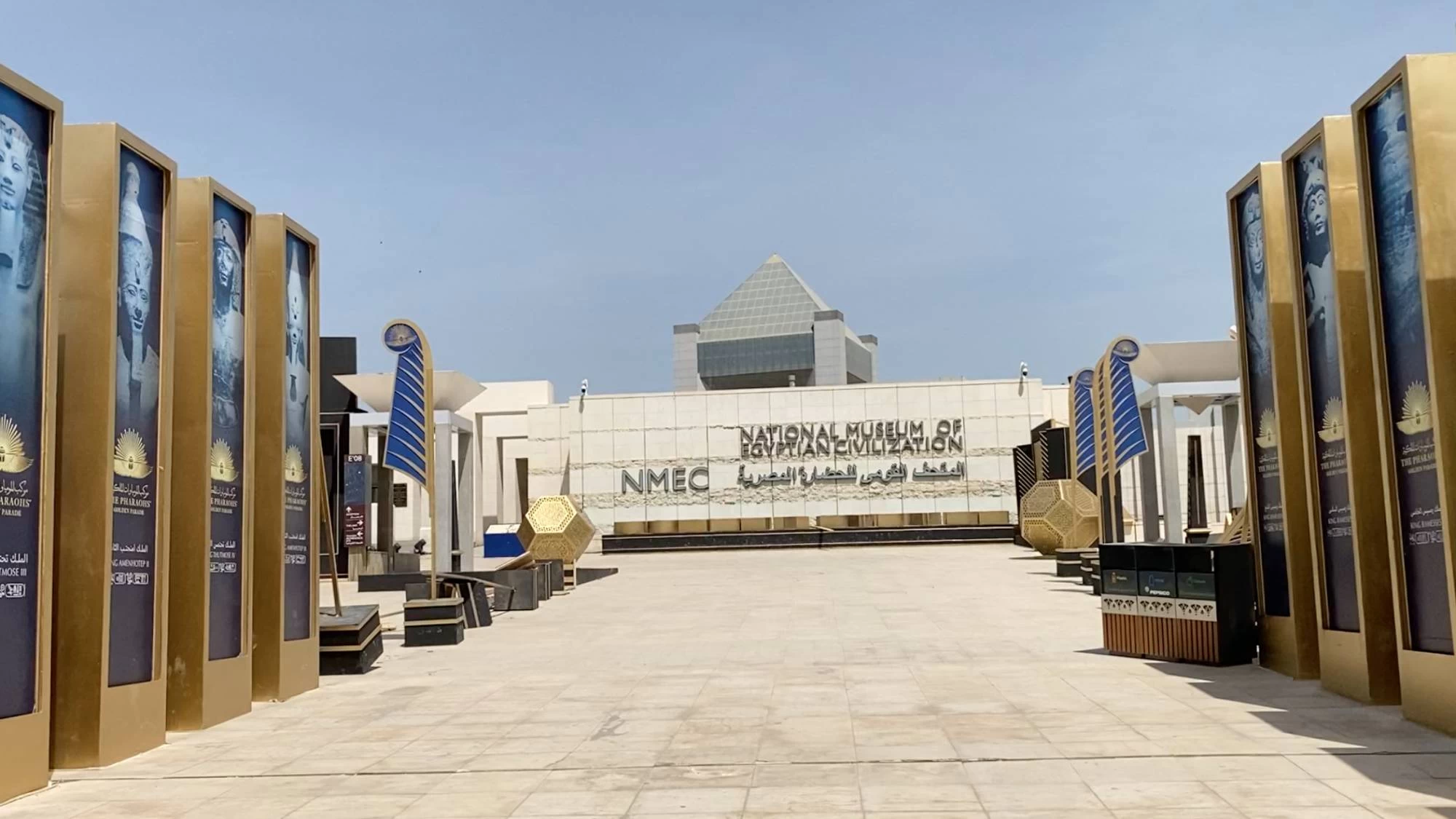
The National Museum of Egyptian Civilization
The National Museum of Egyptian Civilization (NMEC) is one of the most important cultural landmarks in Cairo, and honestly it feels like a full , sort of complete path through Egypt’s past and its heritage for visitors. It sits in the old and historic zone of Fustat, so the place itself already has this quiet weight. Inside, the museum tells the story of Egyptian civilization from prehistoric beginnings right up to the modern era, which makes it kinda unlike many other museums that only zoom in on a single chapter of history, like that’s all they care about.
NMEC cairo holds thousands of artifacts that show Egyptian achievements, customs, and even the everyday rhythm of life, across thousands of years. It’s often listed among the best museums in Cairo, and for good reason: you get a special chance to see how Egyptian culture grew and shifted through multiple times starting with early kingdoms and the pharaonic milestones, then moving into Coptic, Islamic, and later modern Egyptian history.
Also, the museum’s contemporary building style, plus the neatly organized displays, and the really impressive collections, make it a must stop for travelers who like history, archaeology, and cultural moments that go beyond the usual. A lot of visitors actually place NMEC inside their Egypt tours not just to “see” things but to look at a deeper side of the country, beyond the famous pyramids and ancient temples.It is also a perfect destination for a Day Trip to the National Museum of Egyptian Civilization, allowing travelers to enjoy a full cultural experience in one of Cairo’s most important landmarks.
With its wide collections and learning oriented exhibitions, NMEC has ended up feeling like a kind of symbol, Egypt’s link between what was and what is now, all in one location.
The History and Importance of the National Museum of Egyptian Civilization:
So the whole idea with the National Museum of Egyptian Civilization was basically, to build a museum that shows the full arc of Egypt not just one slice of time. It officially opened to the public in 2017, but the big ceremony happened in 2021, when the Royal Mummies were moved to their new home, and yeah that moment got worldwide attention. People saw it as a clear signal of Egypt’s commitment to safeguarding its remarkable heritage. The museum itself was set up in Fustat , which is known as the first capital of Islamic Egypt, and that location gives the place this extra historical weight, like it’s not just about objects, it’s also about the ground beneath them.
Also, unlike a lot of archaeological museums that mostly show ancient artifacts, NMEC tries to describe Egyptian civilization like a continuous storyline rather than a broken timeline. Visitors can wander through different sections and get a sense of how Egyptians lived, made art, shaped industries, kept traditions alive, and added to human civilization across different eras. In that way, the museum has a real duty in protecting Egypt’s cultural heritage while also opening doors for anyone to see how diverse and rich Egyptian identity can be. Today it’s considered one of Cairo’s most meaningful attractions, and honestly it feels like a must-stop for anyone trying to understand the country’s captivating history, even if you only have limited time.
Exploring the Collections and Royal Mummies Hall :
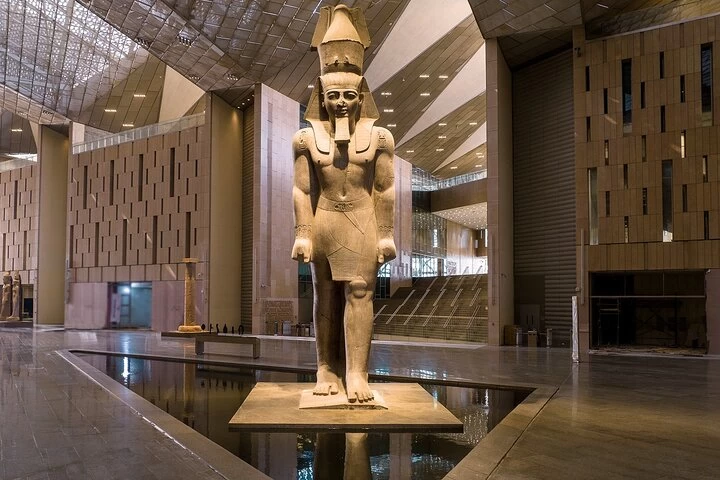
Inside the National Museum of Egyptian Civilization there’s the Royal Mummies Hall, and it’s honestly one of the best known spots. It shows the remains of some of Egypt’s strongest, most powerful old rulers. The place is set up so visitors get a calm respectful and educational kind of visit, where you can pick up how the pharaohs and queens lived, what they achieved, and what kind of burial rituals they had. The whole exhibition feels carefully planned, with modern tech, lighting, and plenty of clear details, so people understand why mummification mattered and what ancient Egyptian folks believed about the afterlife.
But you don’t stop there, because beyond that hall the museum holds a lot of different collections that touch many sides of Egyptian civilization. Guests can look through ancient instruments and daily-life items, textiles, jewelry, pottery, religious objects, and other artifacts that help explain life across different eras. The way the displays are arranged also helps guests see how Egyptian society changed over time and how the periods connect together, even when the centuries feel far apart.
All together, these ancient treasures paired with a modern presentation, makes the NMEC something really special, one of the most impressive museums in Egypt. So if you’re traveling with a real interest in archaeology and history, spending time there can turn into an unforgettable experience, full of understanding and small moments of discovery.
Why the National Museum of Egyptian Civilization Is a Must-Visit in Cairo:
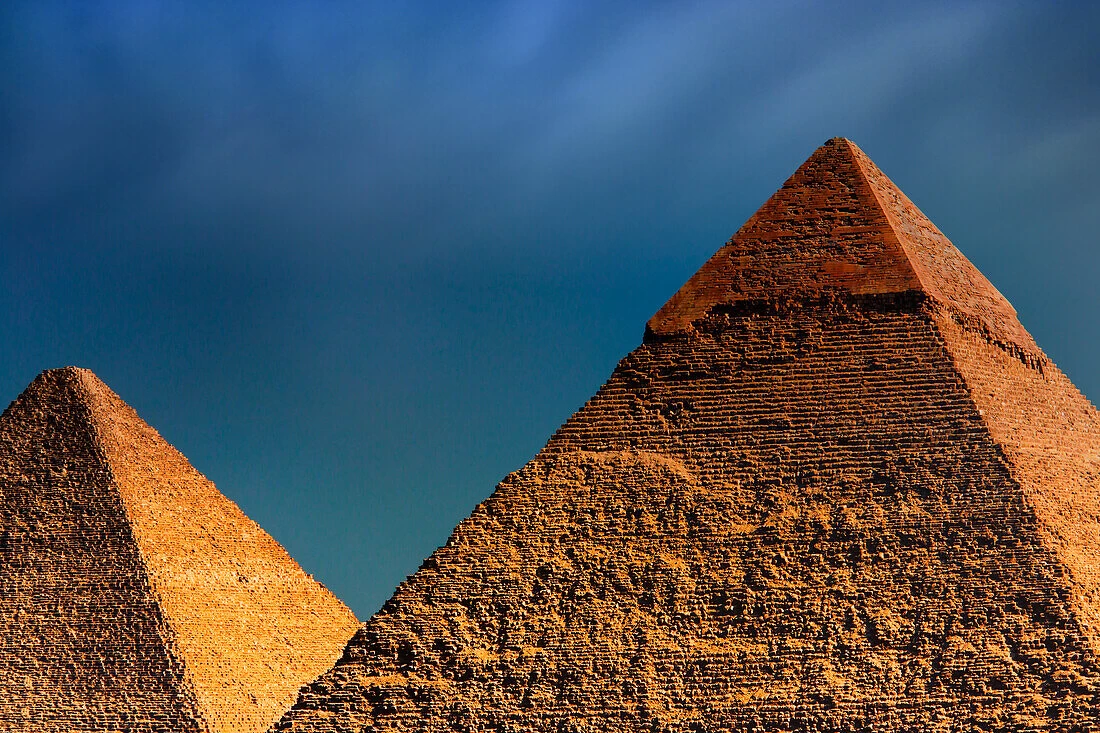
The National Museum of Egyptian Civilization, or NMEC, is basically a must-visit in Cairo and it kind of feels diff erent from the other well known stops. The pyramids and temples, yeah they show how great ancient Egypt looked, but NMEC goes further, like it really stays with the whole, long narrative of the Egyptian people. It’s not just a quick glance, it’s more like a continuous cultural journey that kept moving across thousands and thousands of years.
Inside, the museum shines a light on how Egyptians contributed to everyday life and major traditions, especially in art, skilled craftsmanship, building styles, faith, and social life. The galleries are spacious, and everything is organized in a clear way, so you don’t feel lost even if it’s your first time in Cairo. Honestly, it also works well if you already know some Egyptian history, because the museum still helps you connect the dots in a smarter way.
A lot of Egypt day tours now add NMEC, mostly because it gives visitors real background information before they go to other historical sites. And it’s a solid choice for families, students, and international travelers who want something educational but still enjoyable. Plus, it’s in a location that’s fairly close to other important attractions, so it’s easy to blend it into a sightseeing itinerary without stress.
Whether you’re seriously into history, or you’re just curious about Egypt’s culture in general, NMEC feels like an inspiring route into the identity and achievements of one of the world’s oldest civilizations.
Planning your visit to the National Museum of Egyptian Civilization:
Going to the National Museum of Egyptian Civilization is honestly one of those moments you remember after you leave. It is part of exploring Cairo and also a way to really get Egypt’s amazing heritage. The place feels welcoming, like you can stay there for a long while, walking through exhibition rooms, picking up small details about different historical periods, and then just standing and admiring artifacts that are priceless.
To enjoy it properly, travelers might want to plan enough time, because the museum has several areas that are worth slowing down for. Don’t rush, especially the Royal Mummies Hall , and also the permanent exhibitions, where you can see how Egypt’s culture kept developing across centuries. The museum works for visitors of all ages, and the information is presented in a style that makes history feel simple, almost friendly to follow.
A lot of people also pair the visit with nearby attractions in Old Cairo, so it becomes more like a continuous cultural route through the city, not just one stop. Adding the NMEC to your itinerary helps you look at Egypt from a wider viewpoint, and understand the traditions that shaped the country over thousands of years.
So if you are searching for the best things to do in Cairo, historical museums in Egypt, or just unique cultural experiences, the National Museum of Egyptian Civilization is one of the most impressive destinations for Cairo sightseeing, offering visitors the chance to explore Egypt’s rich heritage and ancient achievements, and modern preservation efforts. The museum connects thousands of years of history with the present day, creating an experience that feels both educational and personal at the same time.




.webp "AIR CAIRO")



.webp "Meliá Madrid")