English
 Spanish
 Italian

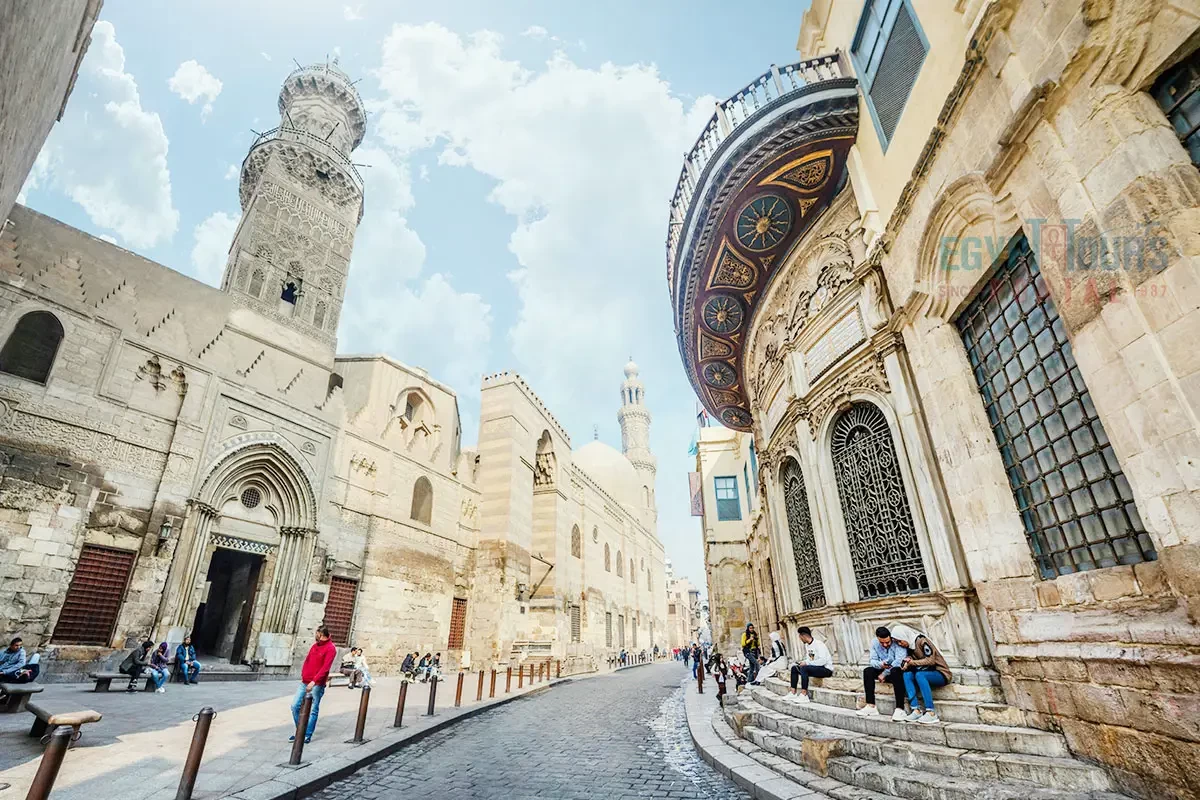
Calle Al-Muizz, El Cairo
La calle Al-Muizz en El Cairo es uno de los lugares históricos más notables de Egipto, y ofrece a los visitantes la sensación de viajar a través de siglos de historia, arquitectura y cultura islámicas. Ubicada en pleno corazón del Cairo islámico, a menudo se la describe como una de las mayores colecciones de arquitectura islámica medieval del mundo. Al pasear por la calle Al-Muizz, uno siente que viaja en el tiempo, donde antiguas mezquitas, escuelas históricas, casas tradicionales e imponentes puertas parecen narrar la historia del glorioso pasado de El Cairo.
La calle recibió su nombre de Al-Muizz li-Din Allah, el califa fatimí que fundó El Cairo en el siglo X, y con el tiempo se convirtió en una de las zonas más importantes de la ciudad. Hoy en día, la calle Al-Muizz sigue siendo una visita obligada para los viajeros interesados en la historia, la fotografía y las experiencias culturales. Sus edificios son hermosos, su ambiente es vibrante y su patrimonio es inolvidable, por lo que sin duda es una de las mejores cosas que hacer en El Cairo. Muchos tours por Egipto y planes turísticos de El Cairo incluyen la calle Al-Muizz, ya que ofrece una visión auténtica de las raíces islámicas de Egipto y de las interesantes tradiciones que moldearon la ciudad durante siglos. Muchos viajeros exploran este increíble lugar emblemático a través de excursiones de un día por Egipto, que brindan la oportunidad perfecta para descubrir los tesoros ocultos del Cairo islámico, su arquitectura antigua y su rico patrimonio cultural en una experiencia inolvidable.
Principales atracciones en la calle Al-Muizz
La calle Al-Muizz alberga algunos de los monumentos islámicos más impresionantes de El Cairo, y pasear por ella resulta casi irreal. Uno de los lugares más conocidos es la Mezquita Al-Hakim, una imponente mezquita de la época fatimí que suele recordarse por su gran patio, sus elegantes minaretes y su gran importancia histórica. En su interior, el ambiente es más tranquilo de lo que cabría esperar, lo que permite apreciar la arquitectura islámica tradicional y el ritmo de su diseño sin prisas.
También se encuentra Bayt Al-Suhaymi, una casa histórica de la época otomana. Esta casa muestra cómo era la vida cotidiana de las familias egipcias adineradas siglos atrás. El edificio cuenta con hermosas celosías de madera, estancias tradicionales y detalles artísticos, como si preservara con esmero la arquitectura residencial del antiguo Cairo a plena vista.
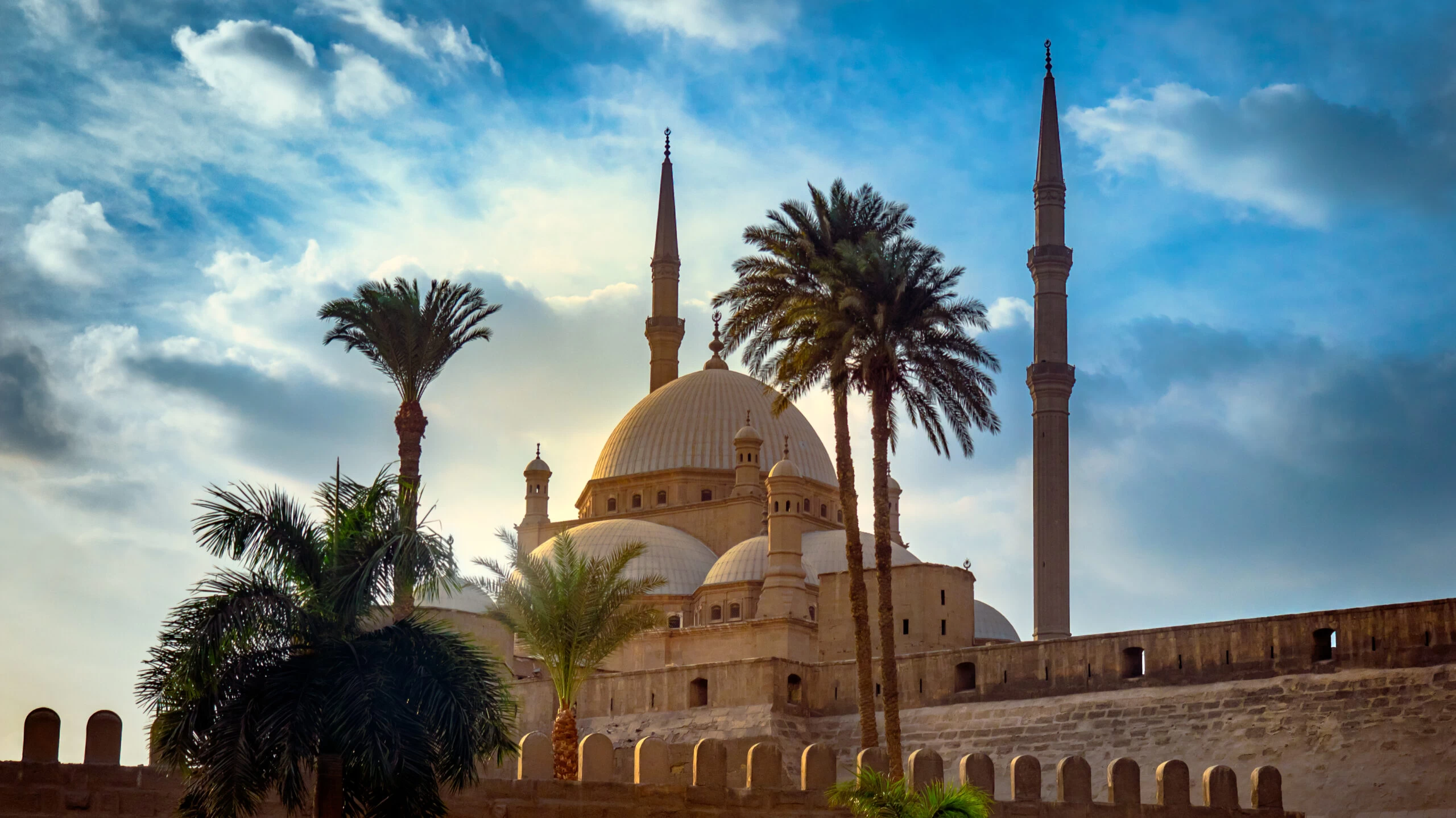
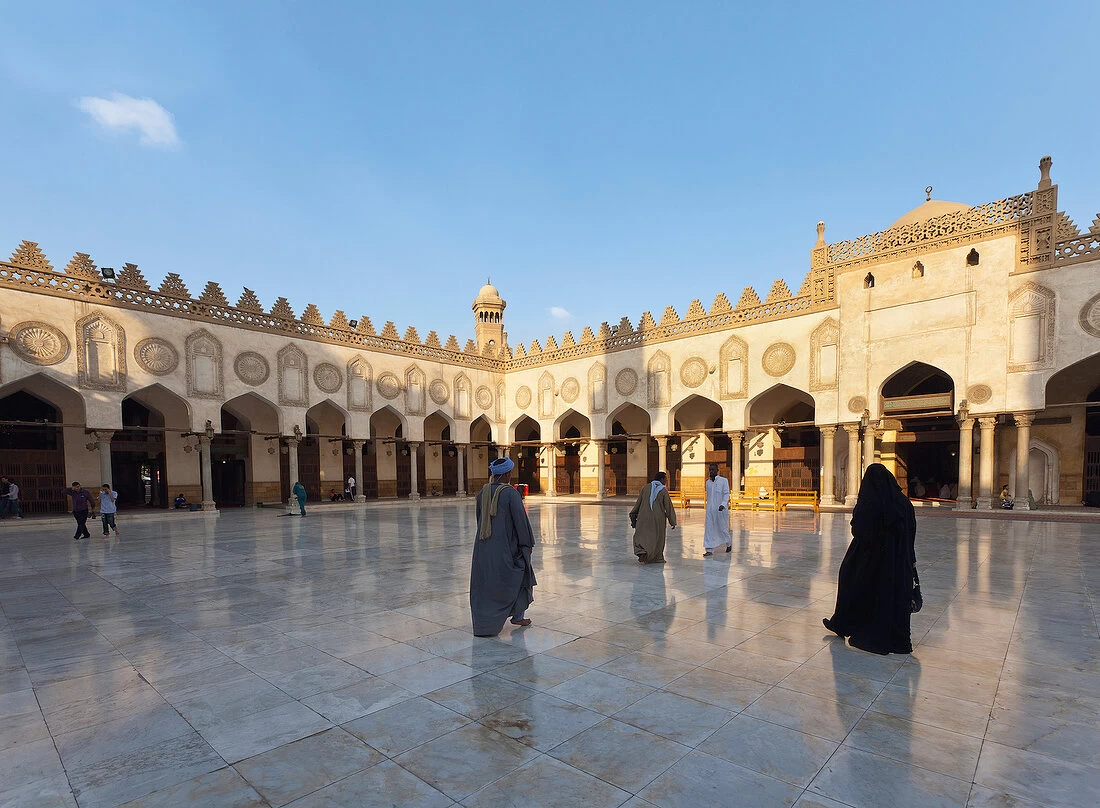
También merece la pena visitar el Complejo del Sultán Al-Ghuri. Este complejo alberga una mezquita, un mausoleo y una escuela religiosa. Esta obra maestra mameluca resalta la imaginación de los arquitectos egipcios medievales, especialmente por su ornamentación detallada y su sólida estructura, que aún hoy se alza imponente. No muy lejos de la calle, la famosa Mezquita de Al-Azhar es otro punto de referencia clave, que ha marcado la educación islámica durante más de mil años, incluso si solo se detiene un instante.
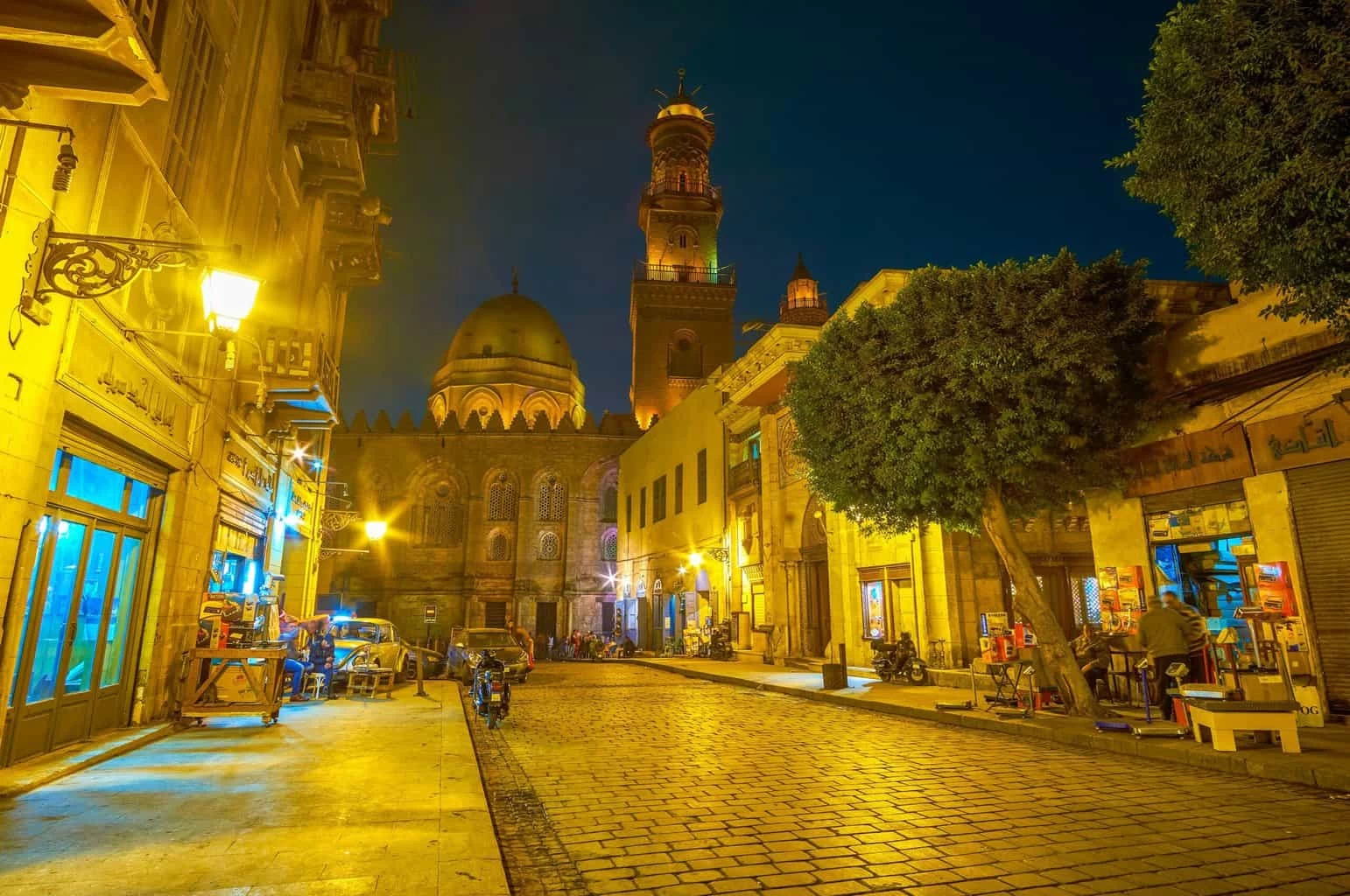
En definitiva, la calle es prácticamente un museo al aire libre, donde cada curva o pequeño desvío revela un nuevo tesoro del pasado. Se pasa por antiguas puertas como Bab Zuweila, y de repente uno se encuentra cerca de animados mercados tradicionales y edificios bien conservados; todo se fusiona en una larga experiencia cultural inolvidable.
Importancia cultural e histórica de la calle Al-Muizz
La calle Al-Muizz no es solo una atracción turística, sino también un vivo testimonio del desarrollo de Egipto a lo largo del tiempo. Durante siglos, fue testigo del auge y la caída de diversas dinastías islámicas, como la fatimí, la ayubí y la mameluca. Cada época aportó sus propias obras maestras arquitectónicas, que de alguna manera transmiten mensajes sobre religión, enseñanza, comercio e incluso la vida cotidiana.
Fue, sin duda, un centro de comercio y actividad social. Comerciantes, eruditos, artesanos y viajeros transitaban por sus mercados y calles aledañas. Aún hoy, esa misma energía perdura, ya que visitantes y lugareños pasean por la zona, creando así un vínculo real entre el pasado y el presente de El Cairo.
La preservación de la calle Al-Muizz se ha convertido en un importante esfuerzo cultural para salvaguardar el patrimonio arquitectónico de Egipto. Los trabajos de restauración han contribuido a mantener en buen estado muchos edificios históricos, permitiendo que las futuras generaciones disfruten del encanto del Cairo islámico. Actualmente, esta calle está considerada una de las zonas patrimoniales más valiosas de Egipto y es una parada obligatoria para cualquier persona interesada en la historia o la arquitectura.
Qué hacer en la calle Al-Muizz
En la calle Al-Muizz de El Cairo hay muchas cosas interesantes que hacer, sobre todo si te gusta la historia, la cultura y los momentos cotidianos de la ciudad. Sinceramente, una de las mejores ideas es hacer un recorrido a pie por la calle, ya que podrás ver los monumentos de cerca y comprender mejor el pasado de El Cairo, que cobra vida al estar allí. También hay visitas guiadas que suelen explicar la historia de cada edificio, así como la de las personas históricas vinculadas a la zona, por lo que no solo se trata de observar, sino también de comprender.
Si te apasiona la fotografía, la calle Al-Muizz es un auténtico paraíso. La arquitectura antigua, las animadas escenas del mercado y los pequeños detalles tradicionales te ofrecen oportunidades fotográficas increíbles. Puedes capturar casas antiguas, puertas históricas talladas, motivos islámicos recurrentes y esa atmósfera medieval de El Cairo que hace que todo parezca casi irreal, en el buen sentido.
Ir de compras también es una parte importante de la experiencia en la calle Al-Muizz. En los mercados cercanos encontrará artesanías hechas a mano, recuerdos tradicionales, joyas y arte egipcio con un toque distintivo, nada genérico. Los visitantes pueden pasear por pequeñas tiendas locales y adquirir regalos que reflejan la auténtica cultura egipcia. Además, la calle está cerca del Bazar Khan El-Khalili, uno de los mercados más conocidos de El Cairo, por lo que podrá seguir comprando y, al mismo tiempo, disfrutar del animado ambiente y la hospitalidad de la gente.
Para los amantes de la gastronomía, hay restaurantes y cafeterías en la zona donde podrán degustar la auténtica cocina egipcia. Comer platos tradicionales rodeado de edificios históricos crea un recuerdo imborrable, ya que los sabores y el entorno se fusionan armoniosamente.
Mejor época para visitar la calle Al-Muizz y algunos consejos de viaje
Si se pregunta cuándo visitar la calle Al-Muizz en El Cairo, la respuesta más sencilla es durante los meses más frescos, principalmente de octubre a abril. Las temperaturas son más agradables, lo que permite pasear y hacer turismo sin cansarse demasiado pronto. Visitar la zona temprano por la mañana o al atardecer es una buena idea, ya que se pueden apreciar los monumentos con menos gente y la luz suele ser mejor para las fotos.
Lleva calzado cómodo, ya que toda la zona tiene muchas escaleras. Caminarás por barrios antiguos y animadas calles comerciales; a veces el suelo es irregular, así que tenlo en cuenta. Anímate a explorar las callejuelas. No se trata solo de la ruta principal; encontrarás rincones menos conocidos y detalles arquitectónicos encantadores si te adentras un poco más.
Para un día más completo, combina la caminata con atracciones cercanas como Khan El-Khalili, la Mezquita Al-Azhar y otros lugares históricos del Cairo islámico. Y, sinceramente, contratar un guía local puede marcar la diferencia, ya que puede narrar la historia de una manera que convierte las piedras en relatos.
La calle Al-Muizz de El Cairo sigue siendo uno de esos lugares inolvidables que visitar en Egipto. Con su impresionante diseño, sus profundas raíces históricas y una atmósfera enérgica, casi vibrante, te brinda la oportunidad de descubrir la civilización islámica de una manera sencilla y auténtica, además de disfrutar del encanto atemporal del Viejo Cairo.




.webp "AIR CAIRO")



.webp "Meliá Madrid")